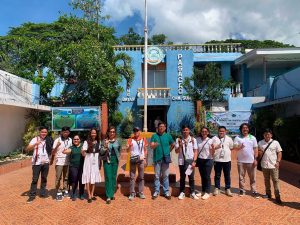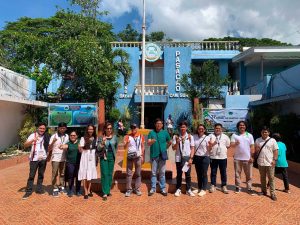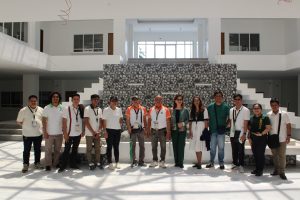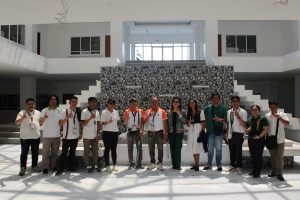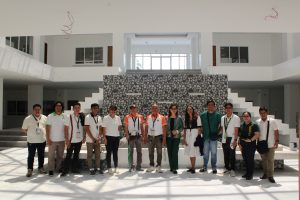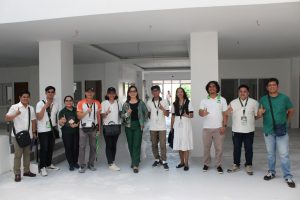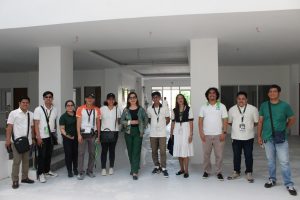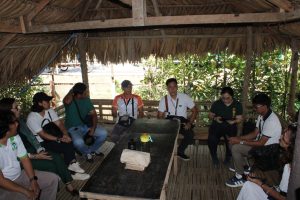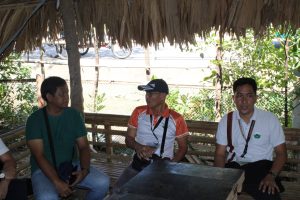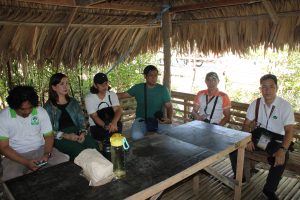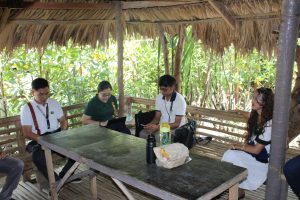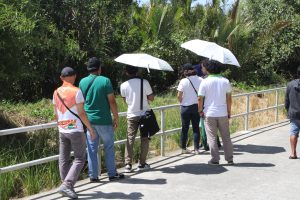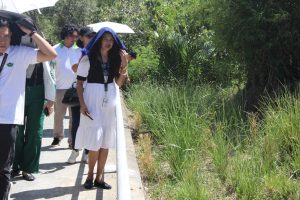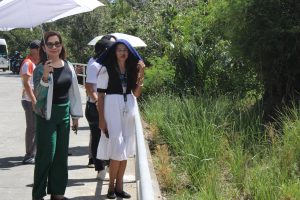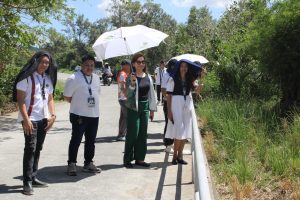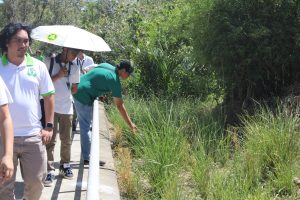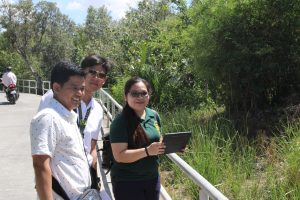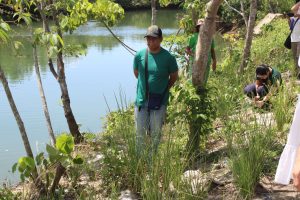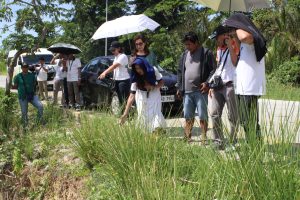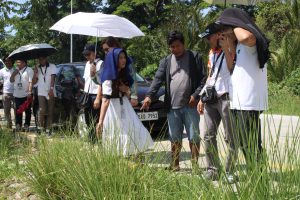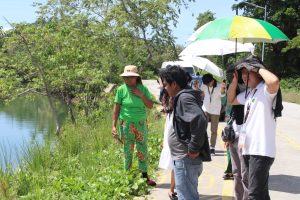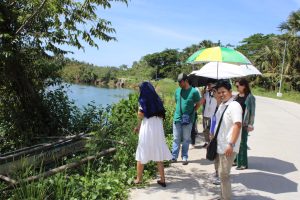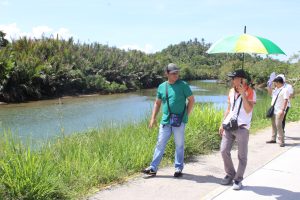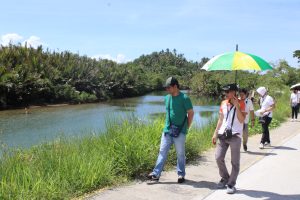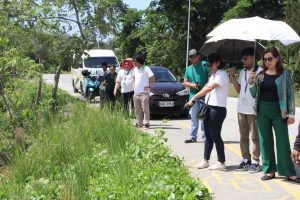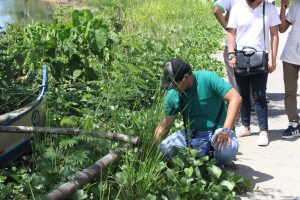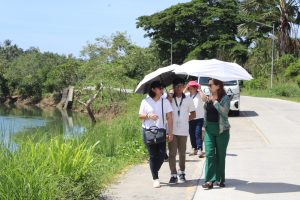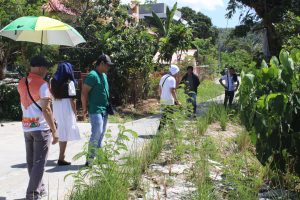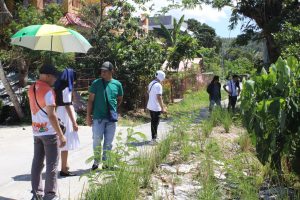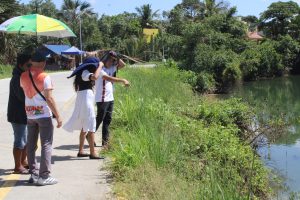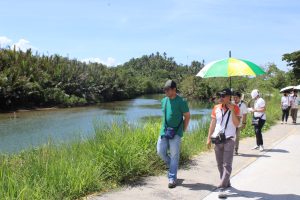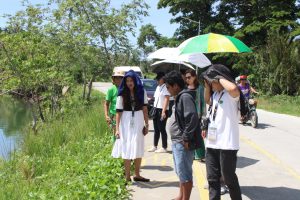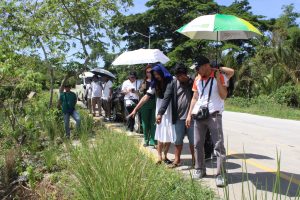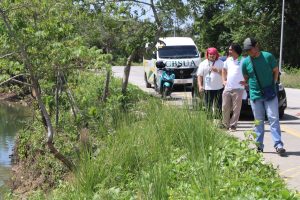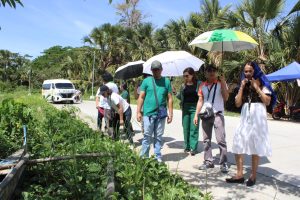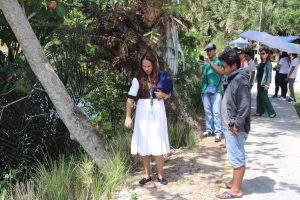

The Central Bicol State University of Agriculture (CBSUA) conducted a pre-planting site assessment in Pasacao, Camarines Sur, on May 25, 2026, as part of the VetiverDe DAGAT component of the VetiverDe Bicol-RISER Project. The activity aimed to evaluate the readiness of the vetiver nursery and proposed riverbank planting sites in preparation for the establishment of vetiver hedgerows along vulnerable coastal areas.
The assessment forms part of Component 1: Vetiver Hedgerow Planting and Site Preparation of the VetiverDe program, implemented in partnership with the Municipal Government of Pasacao, the primary local government partner for the project’s coastal (DAGAT) terroir.
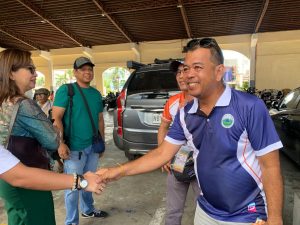
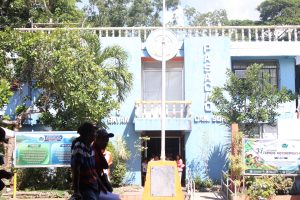
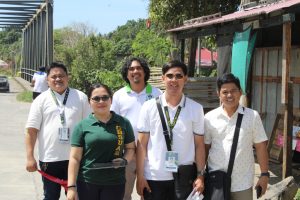
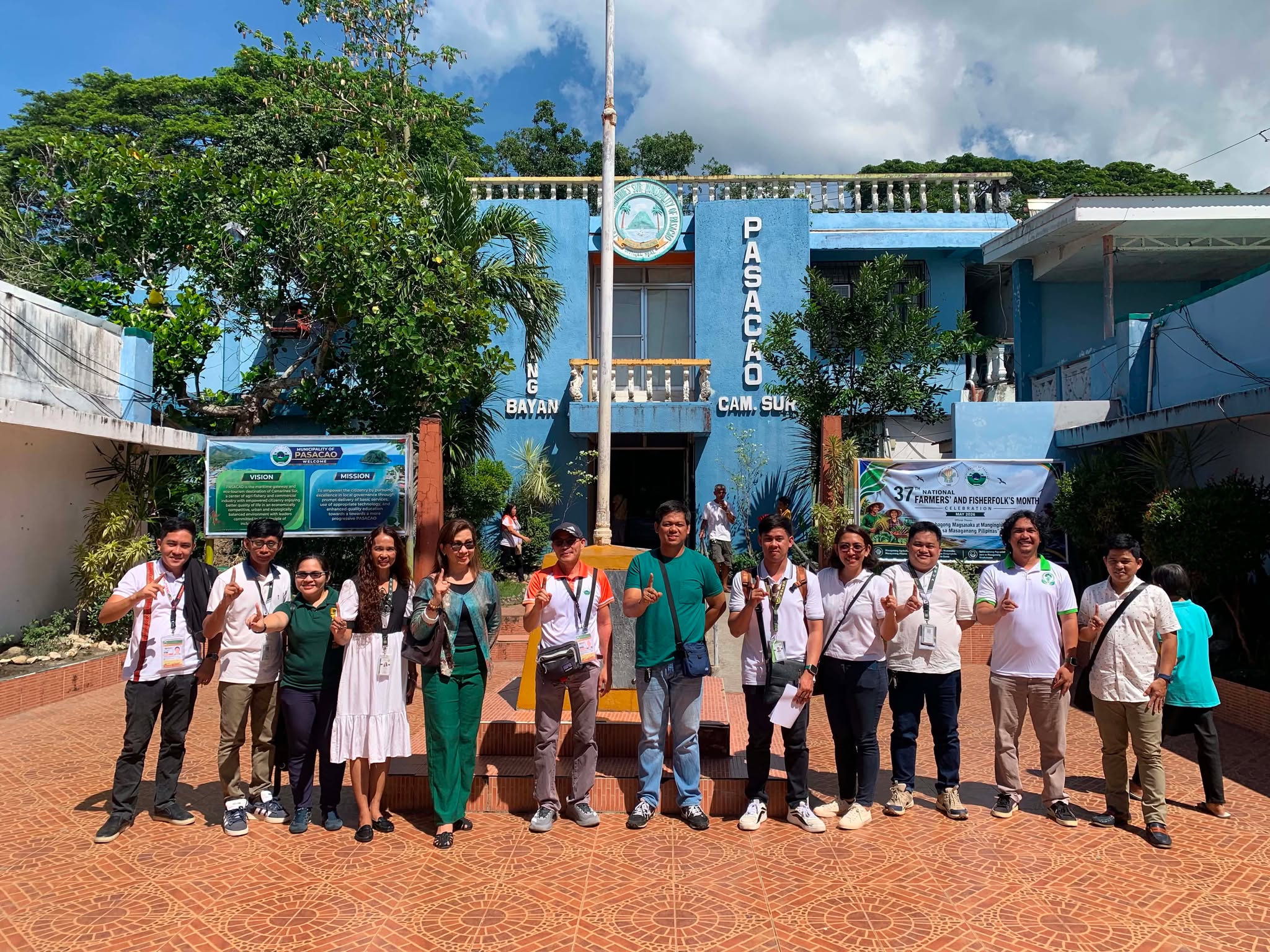
Upon arrival at the Pasacao Municipal Hall, the CBSUA team conducted a courtesy call and coordination meeting with local government representatives. The team was welcomed by Mr. Noel Ciudadano, Municipal Planning and Development Coordinator (MPDC), and Mr. Alvin Lopez, Project Development Officer II, who provided updates on site preparations and community-level observations before accompanying the group to the field inspection areas. The visit concluded with a courtesy meeting with Municipal Administrator Mr. Mariano Parco, who reaffirmed the municipality’s commitment to supporting the project and its environmental objectives.
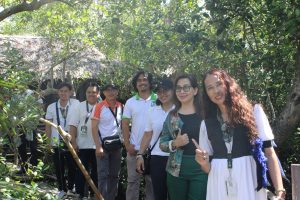
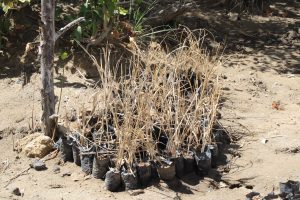
The first inspection site was the vetiver nursery operated by the Pasacao Mangrove Growers Association in Barangay San Cirilo. As the primary source of planting materials for the upcoming hedgerow installation, the nursery plays a crucial role in the success of the project. During the inspection, the CBSUA team assessed the condition of the vetiver stock and observed signs of heat stress and minor withering among some seedlings due to prevailing weather conditions. These findings highlighted the need for additional nursery management measures, including improved shading and optimized spacing, to ensure the health and quality of planting materials prior to deployment.
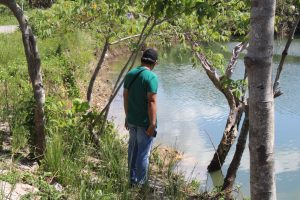
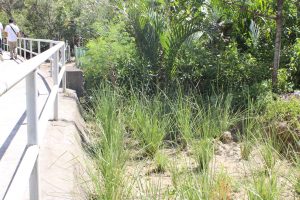
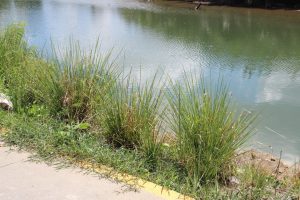
Following the nursery visit, the team proceeded to the Pasacao riverbank, one of the priority sites identified for vetiver hedgerow establishment. The assessment was conducted during a low-tide period transitioning toward high tide, providing valuable insights into site conditions relevant to coastal planting design and implementation.
Field observations focused on terrain characteristics, exposure to environmental elements, and the overall suitability of the area for vetiver establishment. The team evaluated potential planting layouts, spacing requirements, and coverage areas to maximize the effectiveness of the hedgerows in stabilizing the riverbank and mitigating erosion. Based on initial findings, adjustments to planting distances were recommended to achieve broader and more efficient site coverage. Local officials also expressed interest in exploring the use of vetiver landscaping in the vicinity of the new Pasacao Municipal Hall as a complementary environmental enhancement initiative.
The assessment confirmed that the riverbank site is suitable for vetiver hedgerow installation and that nursery operations are progressing toward readiness. However, several preparatory actions were identified prior to planting, including addressing heat stress among nursery seedlings, finalizing planting specifications and spacing requirements, and coordinating logistical support with the Pasacao local government unit.
These recommendations will be incorporated into the implementation work plan of VetiverDe Component 1 as the project advances toward the scheduled planting phase.
VetiverDe DAGAT is the coastal terroir component of the VetiverDe Bicol-RISER Project of CBSUA. The initiative promotes the establishment of vetiver grass (Chrysopogon zizanioides) hedgerow systems in coastal and riverbank areas vulnerable to erosion, flooding, and environmental degradation. In Pasacao, a municipality exposed to various coastal hazards, the project is being implemented in collaboration with the Municipal Government of Pasacao and the Pasacao Mangrove Growers Association to develop sustainable, nature-based solutions for shoreline protection and ecosystem resilience.
Through the VetiverDe Bicol-RISER Project, CBSUA continues to advance its research, extension, and environmental stewardship initiatives while contributing to sustainable land management, coastal ecosystem protection, and the achievement of the United Nations Sustainable Development Goals, particularly SDG 15: Life on Land.| 𝘙𝘦𝘱𝘰𝘳𝘵 𝘧𝘳𝘰𝘮 𝘑𝘦𝘧𝘧𝘳𝘦𝘺 𝘔𝘰𝘳𝘦𝘯𝘰 𝘢𝘯𝘥 𝘔𝘢𝘳𝘭𝘦𝘯𝘦 𝘙𝘢𝘮𝘰𝘴 𝘢𝘯𝘥 𝘗𝘩𝘰𝘵𝘰𝘴 𝘧𝘳𝘰𝘮 𝘙𝘦𝘯𝘻𝘰 𝘉𝘰𝘳𝘫𝘢, 𝘙𝘢𝘱𝘱𝘰𝘳𝘵𝘦𝘶𝘳; 𝘕𝘦𝘪𝘭 𝘊𝘰𝘳𝘥𝘦𝘯𝘦𝘵𝘦, 𝘍𝘢𝘤𝘶𝘭𝘵𝘺 𝘋𝘰𝘤𝘶𝘮𝘦𝘯𝘵𝘦𝘳