
The enactment of Republic Act No. 12321, the GIDA (Geographically Isolated and Disadvantaged Areas) Schools Act, marks a significant milestone in advancing equitable access to quality education for learners in remote and underserved communities across the Philippines. The landmark law institutionalizes comprehensive support for GIDA schools through improved infrastructure, teacher incentives, learning resources, and inter-agency collaboration to ensure that no learner is left behind.
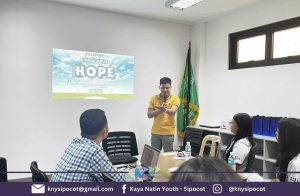
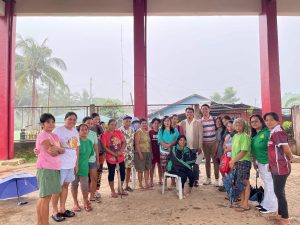
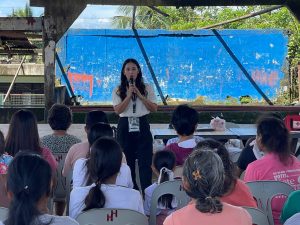
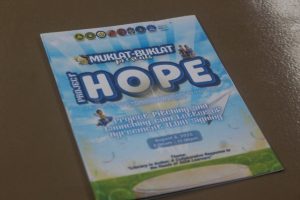
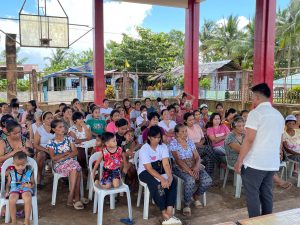
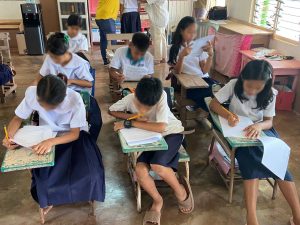
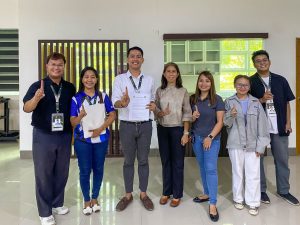
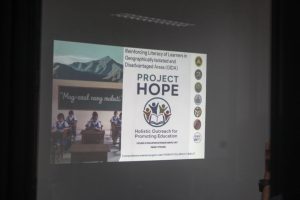
For the College of Education of CBSUA–Sipocot, the passage of the law carries a special meaning. Through its flagship extension initiative, Project HOPE (Holistic Outreach for Promoting Education) under Muklat-Buklat Project of PAGSIKAP 2.0 Program, led by College Dean Dr. Darrel M. Ocampo, has long worked alongside teachers, learners, parents, and community leaders in GIDA communities, demonstrating grassroots strategies that respond to the realities faced by last-mile schools.
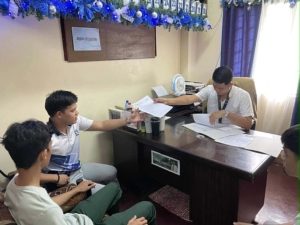
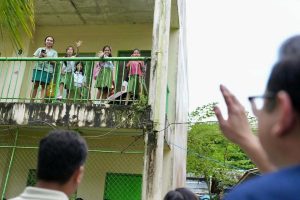
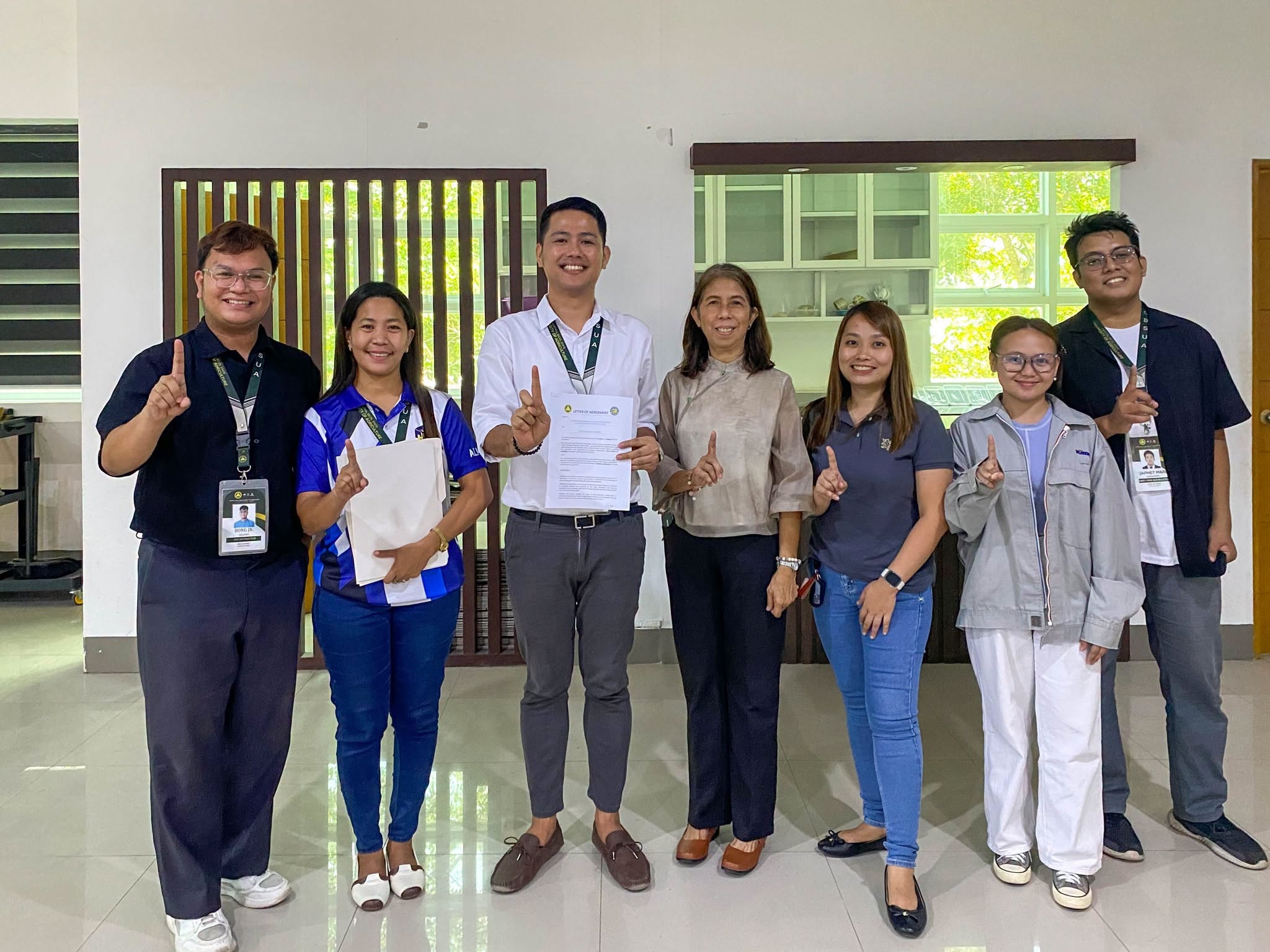
The initiative gained wider policy attention through the collective efforts of the Kaya Natin Youth Movement, whose former chair is Senator Bam Aquino, principal sponsor and co-author of the GIDA Schools Act, together with Senator Kiko Pangilinan, who also served as co-author and co-sponsor of the measure. During consultations and community engagements in Sipocot, representatives of the movement, together with local stakeholders, shared experiences and best practices that contributed to discussions on strengthening support for GIDA schools. While the law reflects inputs from various institutions, organizations, and education stakeholders nationwide, the recognition of Project HOPE as one of the initiatives that helped inform these conversations is a source of pride for the College and the communities it serves.
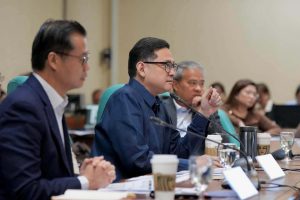
Recognizing the initiative’s impact, the Sangguniang Bayan of Sipocot, in collaboration with the Kaya Natin Youth Movement–Sipocot, helped elevate these grassroots experiences into the national policy conversation. With sustained coordination and lobbying efforts, the initiative became one of the community-based models presented in support of the proposed GIDA Schools Act. The advocacy gained further momentum through the Kaya Natin Youth Movement, whose former chair, Senator Bam Aquino, served as the principal sponsor and co-author of the landmark legislation.
These engagements helped reinforce the need for a comprehensive national framework that addresses the unique challenges faced by GIDA schools. While Republic Act No. 12321 is the product of the collective work of legislators, government agencies, educators, and various stakeholders nationwide, the local advocacy undertaken by the Sangguniang Bayan of Sipocot, the Kaya Natin Youth Movement, and the College of Education was instrumental in helping craft, strengthen, and lobby for the realization of this important measure.
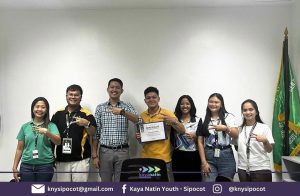
This achievement is not the accomplishment of a single individual but of many people who believed in the vision of inclusive and accessible education. The College of Education extends its sincere gratitude to Senator Bam Aquino for championing legislation that prioritizes learners in GIDA communities and to the Kaya Natin Youth Movement-Sipocot headed by Hon. Shean Keisser Ladra, for persistently advocating education reforms; and to the Local Government Unit of Sipocot, led by Hon. Mayor Thomas “Tom” Bocago, Hon. Vice Mayor Rogenor “Ogie” Astor, and the Sangguniang Bayan, for their steadfast partnership in advancing education initiatives.
The College likewise recognizes the invaluable support of the CBSUA administration, led by President Alberto N. Naperi, Campus Administrator Prof. Rowel M. Castuera; the Extension Services Division Director Prof. Abigail Guinoo; Extension Coordinator Ma’am Baby Eloisa Lingao, the faculty, students, and extension partners of the College of Education; and the dedicated public school teachers, parents, and community members in GIDA areas whose lived experiences continue to shape meaningful and responsive educational programs.
As aptly expressed by Kaya Natin Youth–Sipocot Chairperson Hon. Ladra, the greatest beneficiaries of this landmark legislation are the learners, teachers, and families in GIDA communities. The story of Project HOPE affirms that meaningful policy is strengthened when it is informed by genuine community engagement and sustained collaboration.
Indeed, this milestone stands as a testament that when academic institutions, local governments, youth leaders, policymakers, educators, and communities work together, hope is transformed into lasting public policy, ensuring that quality education reaches even the country’s most geographically isolated learners. | 𝘙𝘦𝘱𝘰𝘳𝘵 𝘧𝘳𝘰𝘮 𝘊𝘉𝘚𝘜𝘈-𝘚𝘪𝘱𝘰𝘤𝘰𝘵 𝘌𝘹𝘵𝘦𝘯𝘴𝘪𝘰𝘯 𝘚𝘦𝘳𝘷𝘪𝘤𝘦𝘴 𝘜𝘯𝘪𝘵