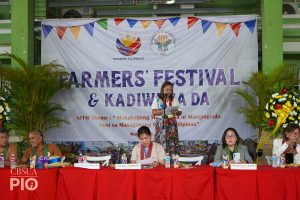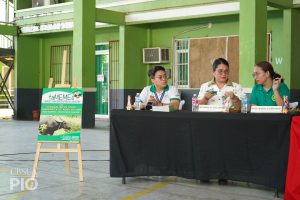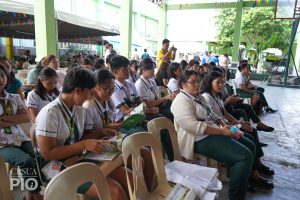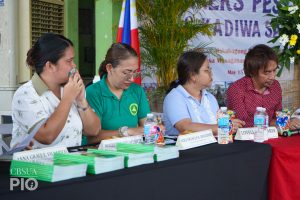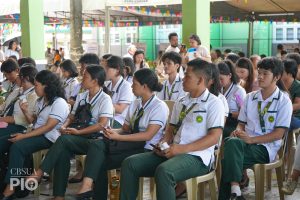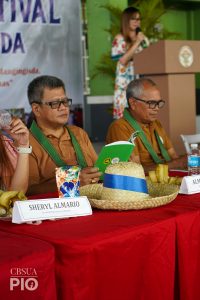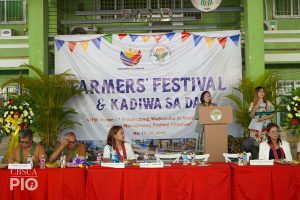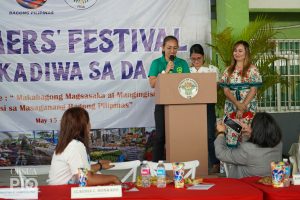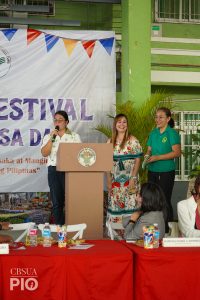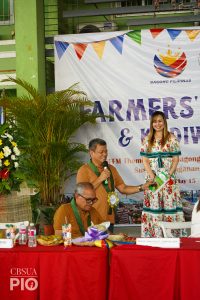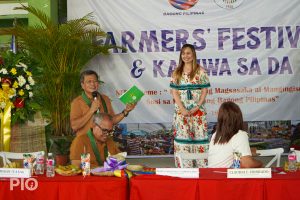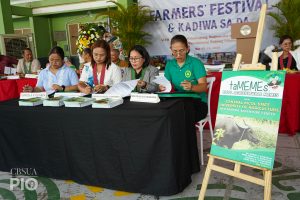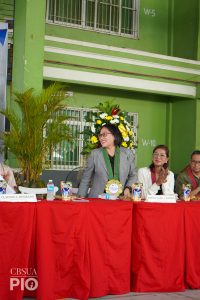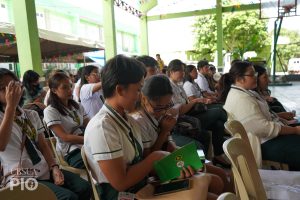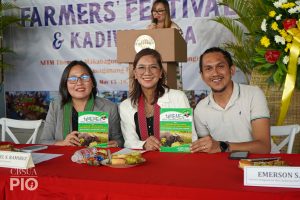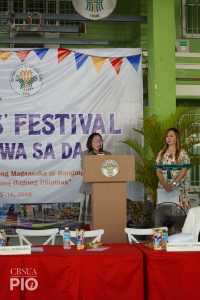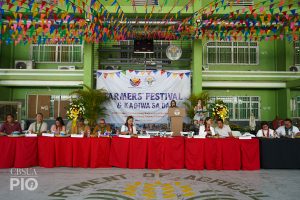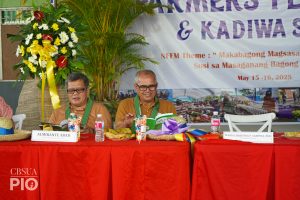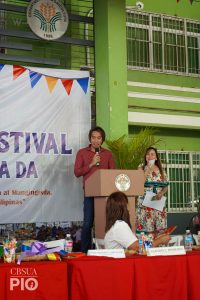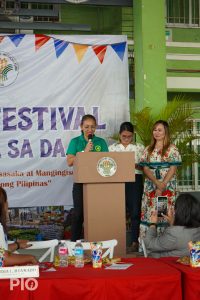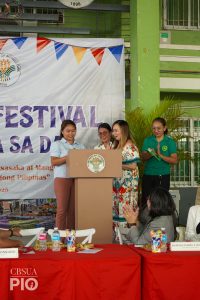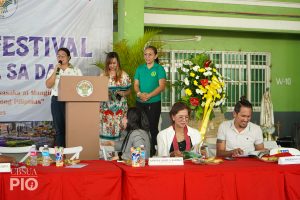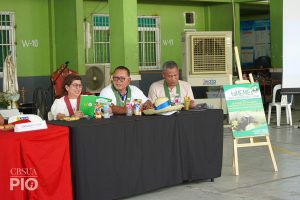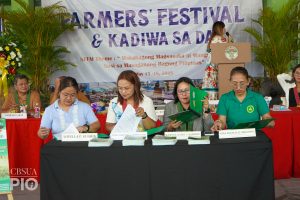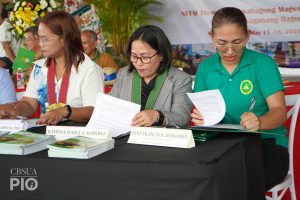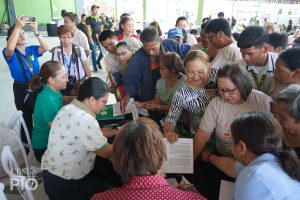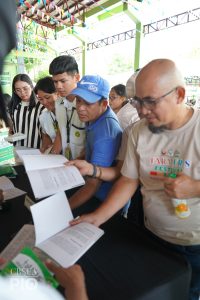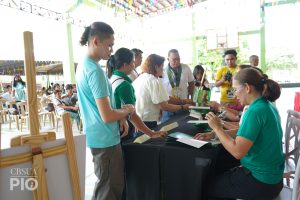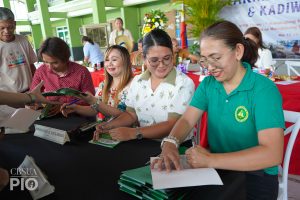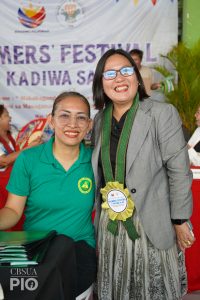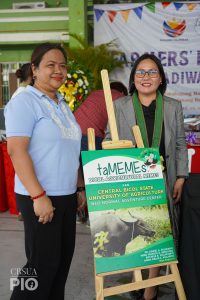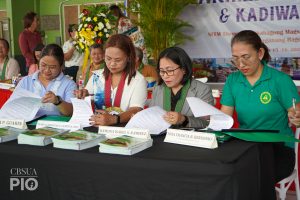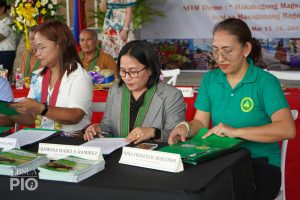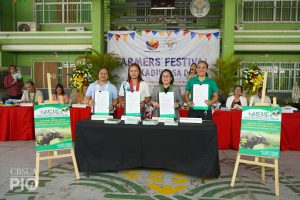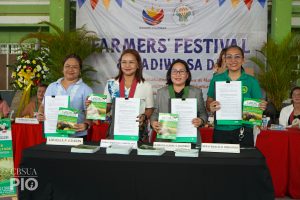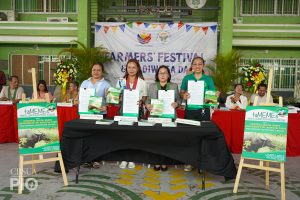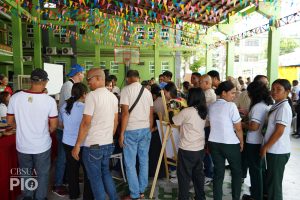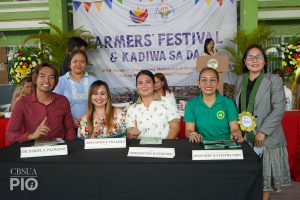


In a pioneering effort to reconnect the youth with agriculture, the Neo Normal Agventure Center of the Central Bicol State University of Agriculture (CBSUA) partners with the Regional Agriculture and Fisheries Information Section (RAFIS) of the Department of Agriculture (DA) through MOA Signing and Book Launching of TaMEMEs during the celebration of Farmer’s Festival on May 15, 2025, at DA Grounds.
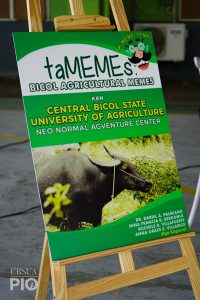
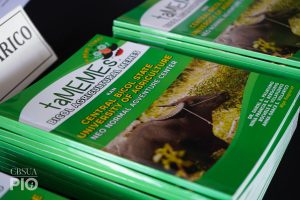
TaMEMEs, an innovative Information, Education, and Communication (IEC) Material is a flagship initiative of the Neo Normal Agventure Center. A campaign that blends agricultural knowledge with digital creativity—especially internet memes—to spark youth interest in farming and agri-entrepreneurship.
This collaboration between CBSUA and DA aims to amplify the reach of TaMEMEs across platforms, schools, and community networks. “Memes are today’s storytelling tool,” said Dr. Dariel A. Palmiano, Research Services Division Director of CBSUA. “Through TaMEMEs, we’re transforming humor and virality into powerful tools for education and awareness.”
Also present at the MOA Signing and Book Launch were the Vice-President for Research and Innovation, Dr. Ramona Isabel Ramirez, Ms. Niña Francia B. Bergonio, Director of Neo Normal Agventure Center, Dr. Maria Christina Campita, chief of the Research Division who represented DA Regional Executive Director Rodel P. Tornilla, and Lovella P. Guarin, Chief of RAFIS.
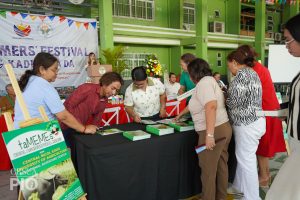
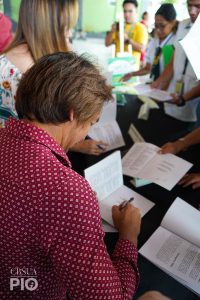
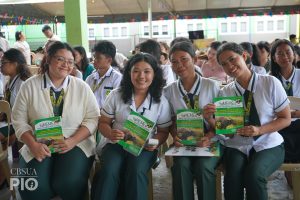
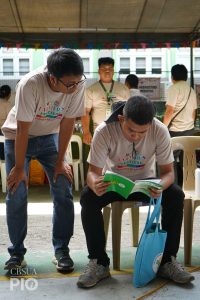
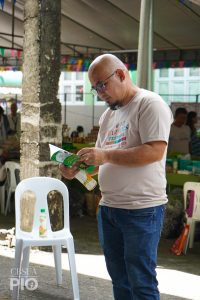
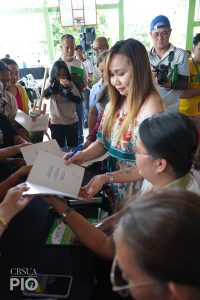
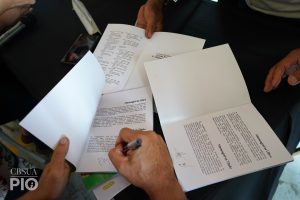
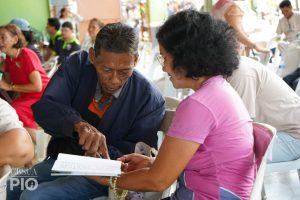
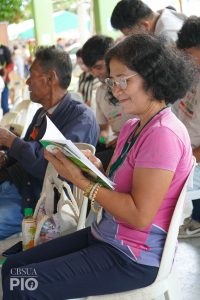
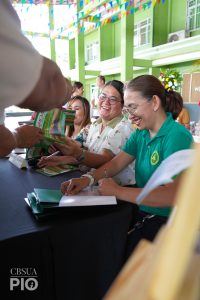
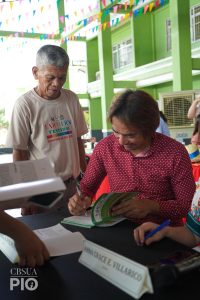
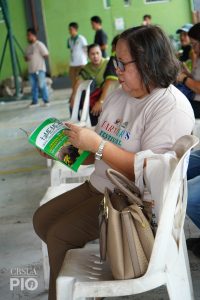
After the book launch, the participants got their free copies of the book which were signed by the authors namely: Dr. Dariel A. Palmiano, Niña Francia B. Bergonio, Rochelle B. Villafuerte, and Anna Grace E. Villarico.
TaMEMEs is part of CBSUA’s broader advocacy to modernize agricultural communication and address the country’s aging farming population by encouraging youth to see farming as a viable and rewarding career path.