

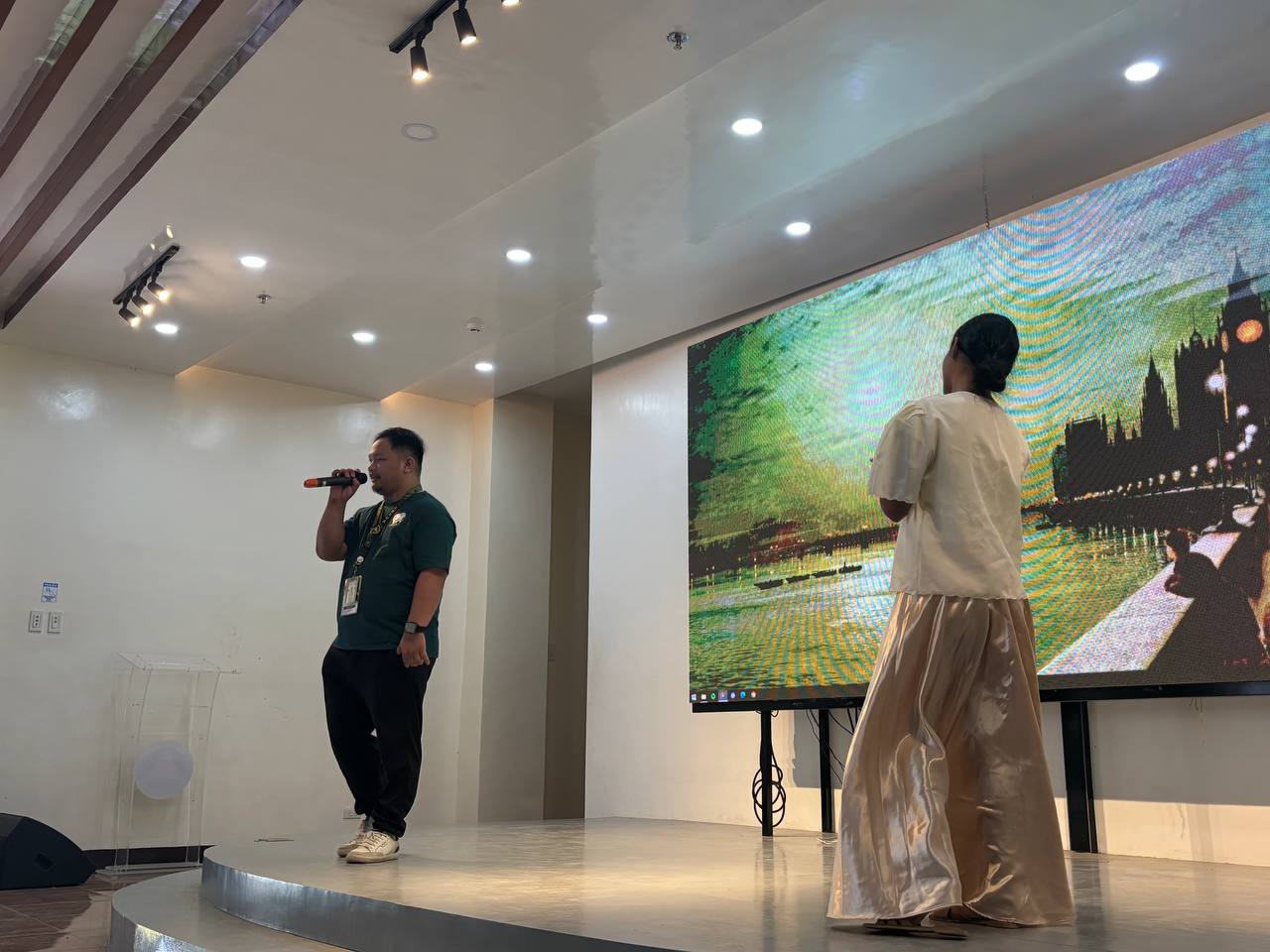
The Central Bicol State University of Agriculture (CBSUA), in partnership with the US Peace Corps, conducted an International Seminar on Environmental Education on October 8, 2026, at the Sentro ng Wika, Kultura, at Sining (SWKS), CBSUA–Pili Campus.
Spearheaded by US Peace Corps Volunteers Mr. Brandon Deniña Pundamiera and Mr. Drew Reese Raskin, the seminar highlighted the vital role of environmental education in fostering awareness and a sense of responsibility toward environmental protection, particularly coastal preservation.
The program also featured a cultural presentation by students of the CBSUA Laboratory High School, showcasing local culture and talent. This was followed by an AgriVille tour, joined by the Laboratory High School faculty, which provided an opportunity for participants to explore the university’s agricultural initiatives and facilities.
Through this initiative, CBSUA and the US Peace Corps underscored the importance of environmental education in encouraging informed participation and collective responsibility in protecting coastal ecosystems and promoting environmental sustainability. | 𝘙𝘦𝘱𝘰𝘳𝘵 𝘢𝘯𝘥 𝘱𝘩𝘰𝘵𝘰𝘴 𝘧𝘳𝘰𝘮 𝘔𝘪𝘩𝘤𝘢 𝘑𝘢𝘮𝘦𝘴 𝘉. 𝘔𝘢𝘨𝘯𝘢𝘵𝘦